Expert Advice: Navigating the Challenges of Disability Support


Providing support for individuals with disabilities is a complex and multifaceted endeavor. Navigating the challenges requires a blend of empathy, knowledge, and practical strategies. Understanding the essential components of disability support can help caregivers, family members, and professionals offer the best assistance possible.

Understanding the Diverse Needs
Every individual with a disability has unique needs and preferences. Recognizing these differences is crucial for effective support. A personalized approach ensures that the support aligns with the individual's goals and aspirations. It’s important to engage directly with the person receiving support to understand their perspective.
Communication is key in this process. Listening actively and asking pertinent questions can help uncover the specific requirements of the individual. Professionals and caregivers should also be aware of non-verbal cues and other forms of communication that might be more effective for some individuals.
Building a Support Network
Creating a robust support network is essential. This network can include family members, friends, healthcare providers, and community resources. A strong network provides emotional, physical, and logistical support, making it easier to address challenges as they arise.

To build an effective support network, it is important to identify and connect with local organizations and services. These might include therapy providers, educational institutions, and advocacy groups. Collaborating with these resources can provide access to valuable information and assistance.
Adapting to Changing Needs
Disability support is not a one-time task but an ongoing process. As individuals grow and their circumstances change, their needs may evolve. Remaining flexible and open to change is essential in providing continual support.
Regular assessments and check-ins can help ensure that the support provided remains relevant and effective. These evaluations should focus on the individual's current situation, including any new challenges or opportunities that may have arisen.
Utilizing Technology
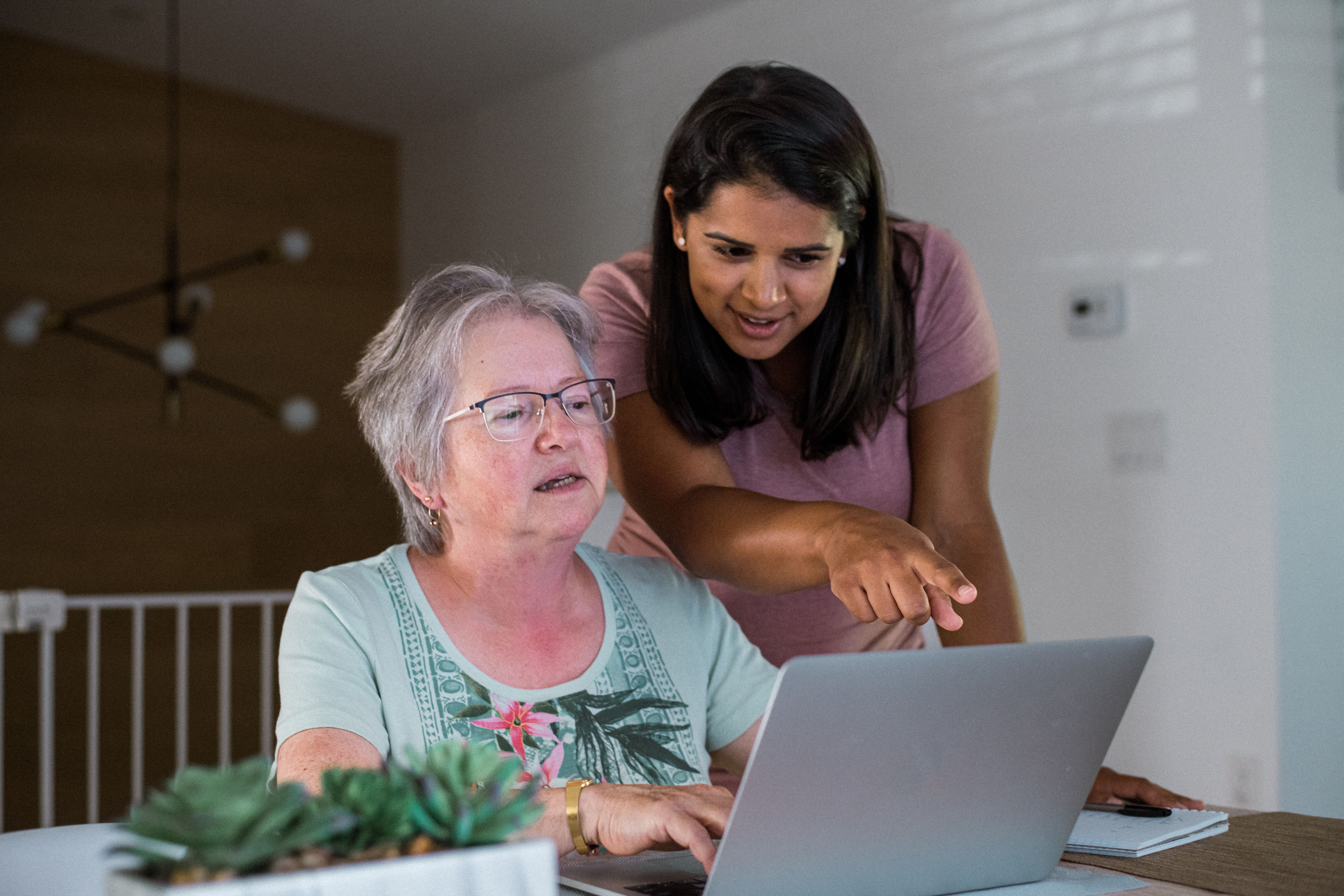
Technology plays a significant role in modern disability support. From communication aids to accessibility apps, technology can enhance the quality of life for individuals with disabilities. Exploring and integrating these tools can make everyday tasks more manageable and enjoyable.
- Communication devices for non-verbal individuals
- Mobility aids for increased independence
- Apps for scheduling and reminders
Legal and Financial Considerations
Understanding the legal and financial aspects of disability support is vital. Navigating these areas can be complex, but they are crucial for ensuring long-term security and well-being. Knowledge of relevant laws, such as disability rights and benefits, can empower individuals and their families.
Consulting with legal and financial experts who specialize in disability matters can provide clarity and guidance. They can assist in creating plans that cater to both immediate and future needs, ensuring a comprehensive approach to support.