
How to Access Disability Support Services in Rural Australia


Understanding Disability Support Services
Accessing disability support services in rural Australia can be challenging due to geographical isolation and limited resources. However, understanding what services are available and how to access them can greatly improve the quality of life for individuals with disabilities and their families. This guide aims to help you navigate the system effectively.

Identify Available Services
The first step is to identify the disability support services available in your area. These may include healthcare, education, employment assistance, and community support. The National Disability Insurance Scheme (NDIS) is a critical resource, offering funding and support tailored to individual needs.
Contact your local council or community organizations to learn about specific services in your region. Many rural areas also have outreach programs designed to bring services closer to those in need.
Registering for the NDIS
Registering with the NDIS is essential to accessing personalized support plans. To begin, check your eligibility on the NDIS website. If eligible, you can apply directly or seek assistance from a Local Area Coordinator (LAC) who can guide you through the process.
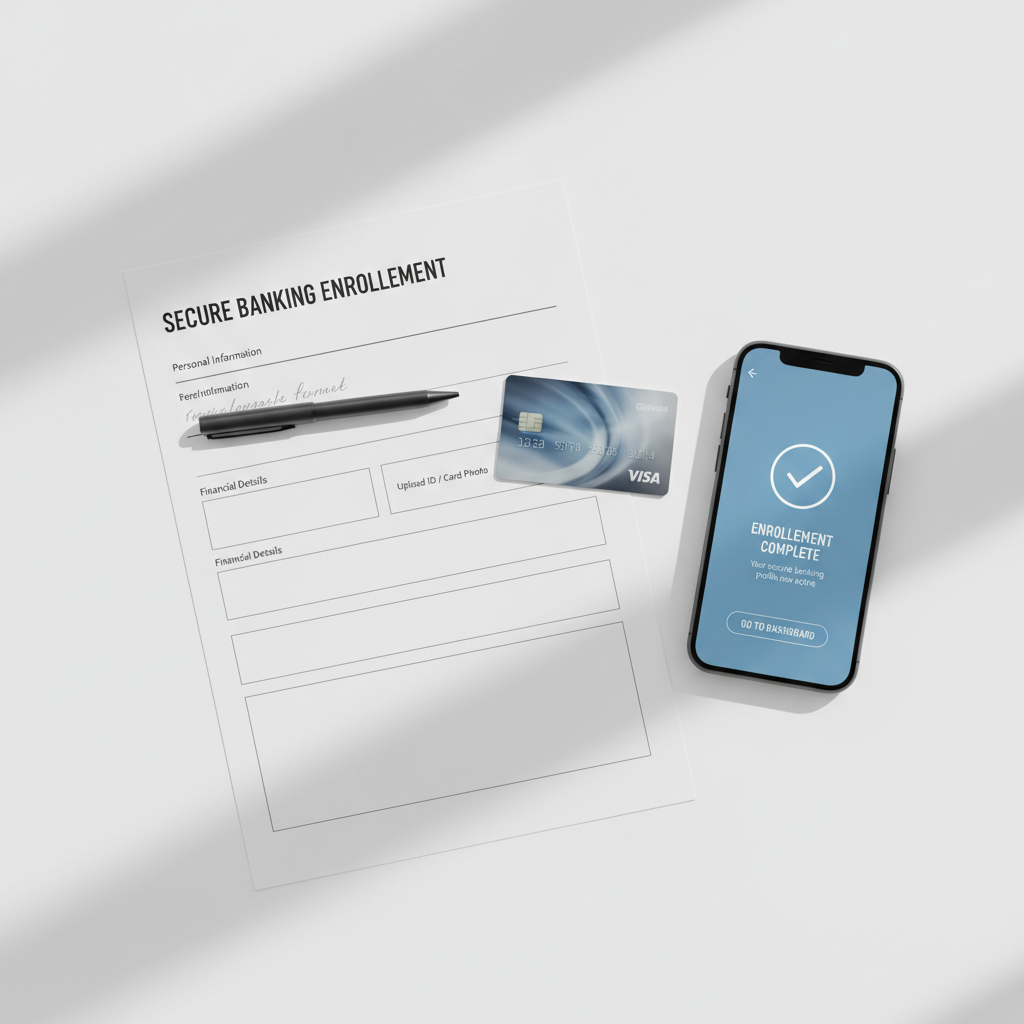
Once registered, you will work with a planner to develop a plan that suits your needs. This plan can cover a wide range of supports, from therapeutic services to equipment and modifications.
Overcoming Geographical Challenges
Living in a rural area often means dealing with distance and limited access to services. Telehealth and online support services have become increasingly important, providing access to professionals without the need to travel long distances.

Additionally, some organizations offer mobile services that visit rural communities on a regular schedule. Keep informed about these options through community newsletters or local health services.
Utilizing Community Resources
Your local community can be a valuable resource. Community centers often host support groups and workshops, providing opportunities to connect with others facing similar challenges. These connections can offer emotional support and practical advice.
Volunteers and local advocacy groups can also assist in navigating the system and ensuring that you receive the support you need.
Staying Informed and Connected
Keeping up-to-date with policy changes and new services is crucial. Subscribe to newsletters from disability organizations and participate in online forums to stay informed. These platforms can offer both information and a sense of community.
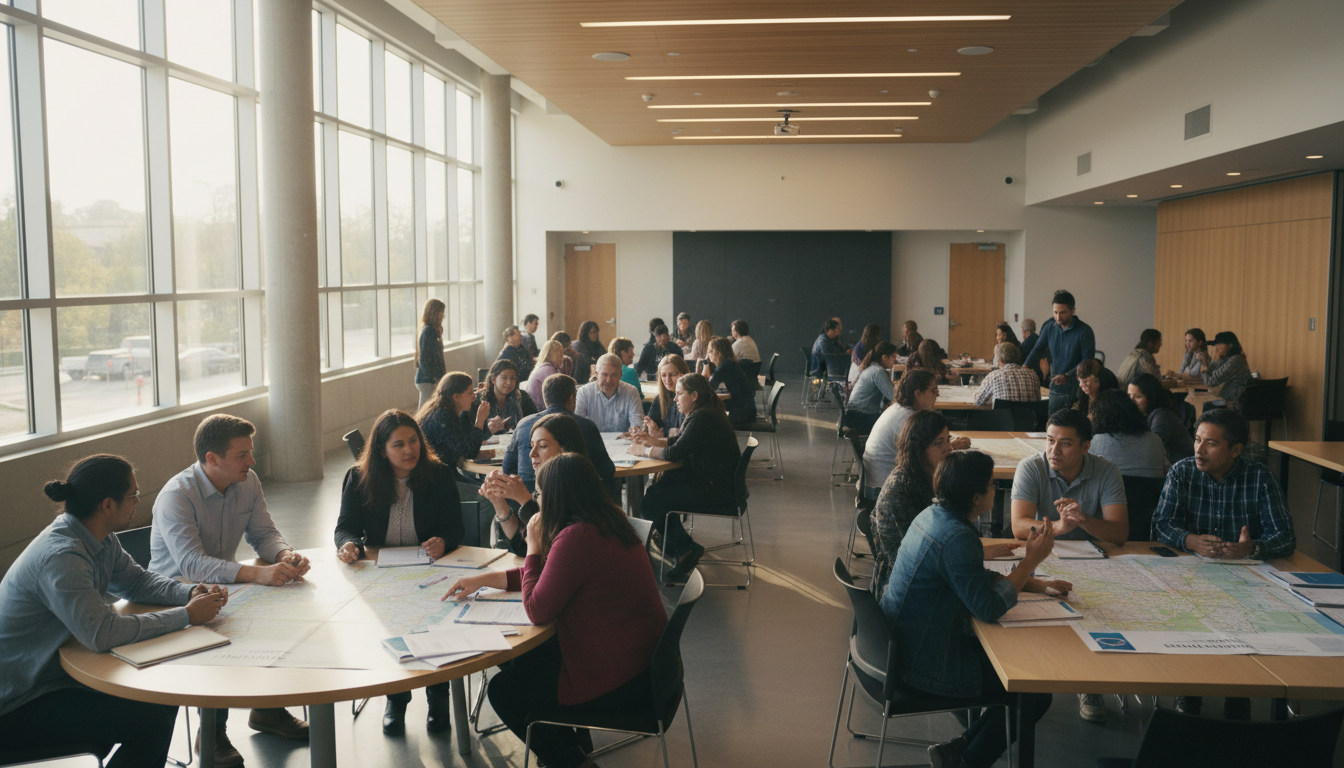
Finally, remember that accessing disability support services in rural Australia requires persistence and proactive engagement. By understanding the available resources and utilizing community networks, you can overcome the challenges and improve your quality of life.