
Innovations in Disability Support: How Technology is Changing Care


Introduction to Technological Advances in Disability Support
In recent years, technology has dramatically transformed the landscape of disability support, providing innovative solutions that enhance independence and quality of life for individuals with disabilities. From smart home systems to wearable tech, these advancements are reshaping the way care is delivered and experienced.
As technology continues to evolve, it offers new possibilities for personalized care, making it easier for caregivers and individuals to manage daily tasks and improve overall well-being. This blog post explores some of the most significant innovations in disability support and their impact on care.
Smart Home Technology
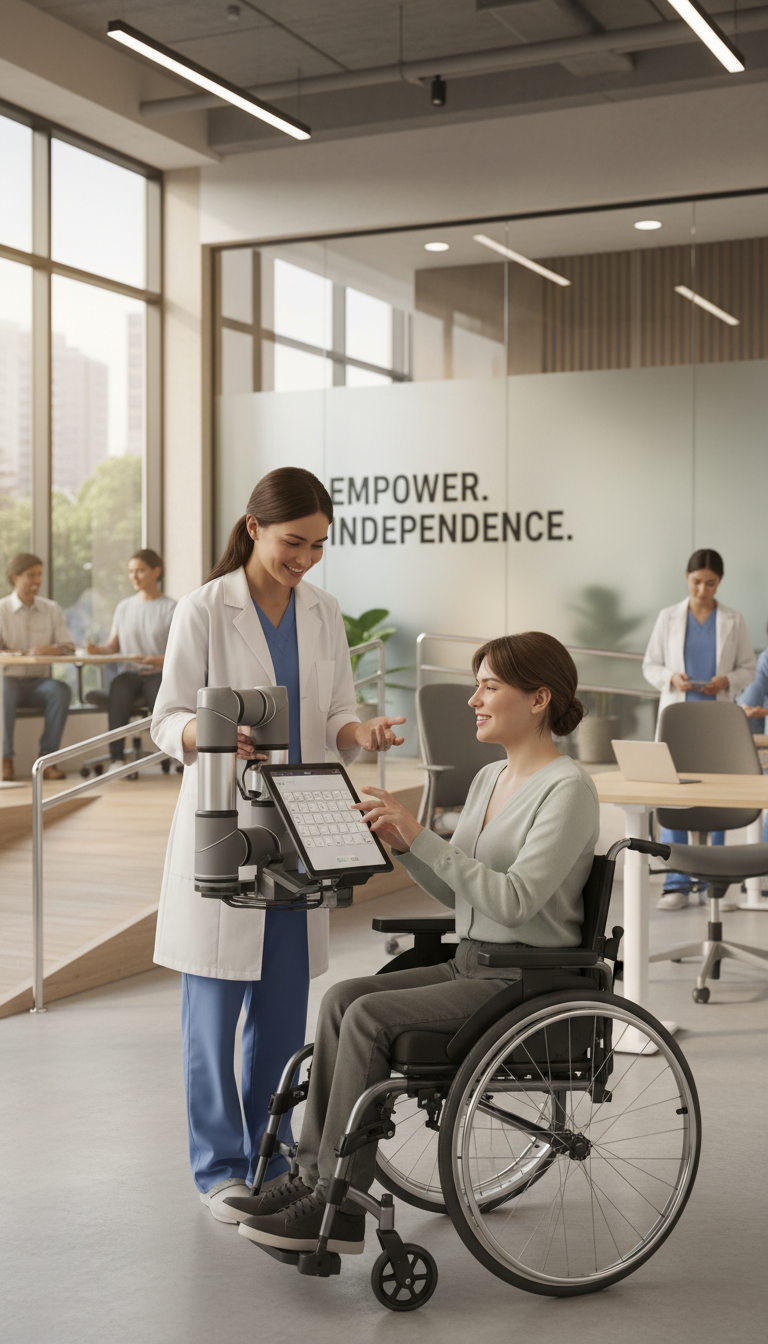
Smart home technology has become a game-changer in disability support, offering increased autonomy and safety. Devices such as voice-activated assistants, automated lighting, and smart thermostats allow individuals with disabilities to control their environment with ease.
These technologies not only enhance comfort but also support independent living. Voice-controlled systems enable users to perform tasks such as adjusting lighting or setting reminders without physical intervention, thereby reducing reliance on caregivers.
Benefits of Smart Home Systems
- Increased Independence: Users can manage their home environment with minimal assistance.
- Enhanced Safety: Automated systems can alert caregivers in case of emergencies.
- Personalized Comfort: Customized settings cater to individual preferences and needs.

Wearable Technology
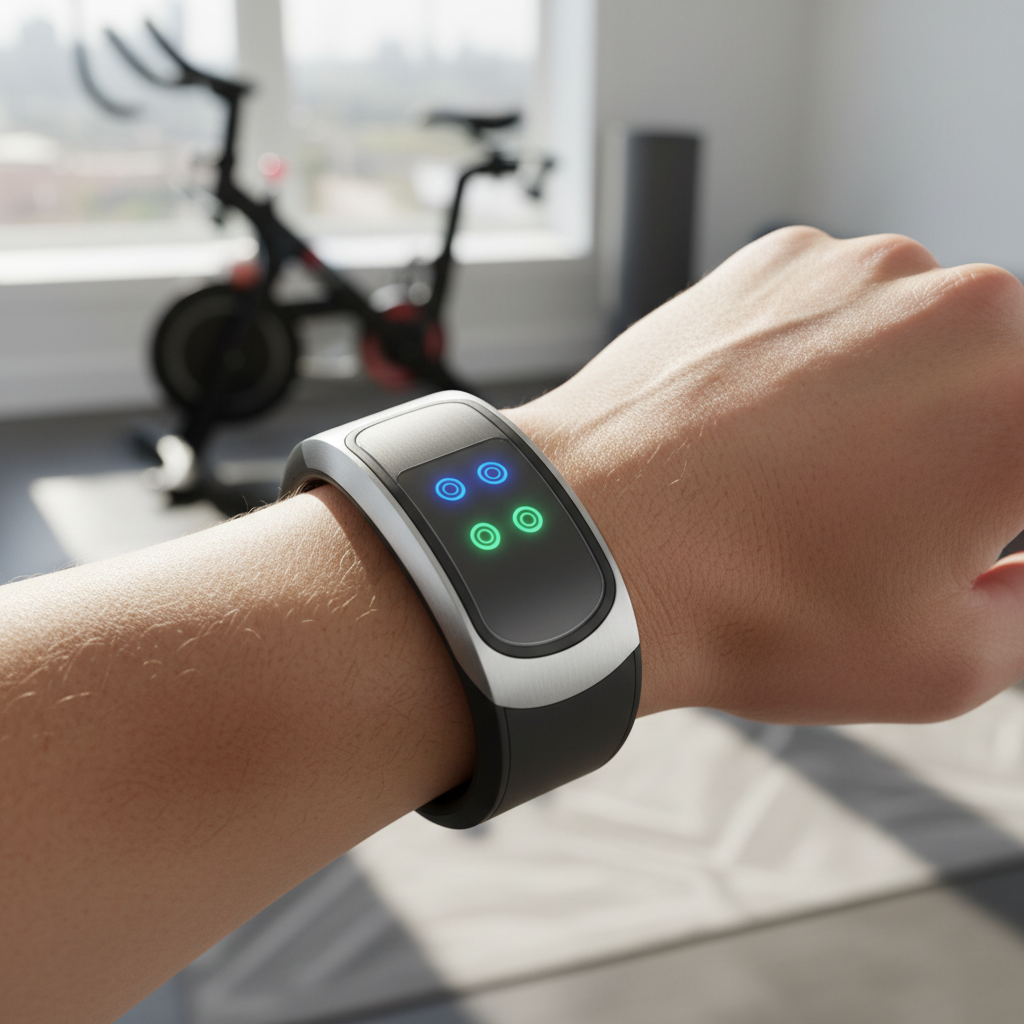
Wearable technology, such as smartwatches and fitness trackers, has also made significant strides in disability support. These devices monitor vital signs, track physical activity, and provide alerts, empowering users to take charge of their health.
For individuals with mobility issues, wearable technology can provide real-time feedback and assistance, ensuring they maintain optimal health and avoid potential issues. Features like fall detection and emergency alerts further enhance safety and peace of mind.
Key Features of Wearable Tech
- Health Monitoring: Tracks heart rate, activity levels, and other vital signs.
- Emergency Alerts: Provides immediate notifications to caregivers in case of falls or health concerns.
- Connectivity: Syncs with smartphones and other devices for comprehensive health management.
Communication Aids
For many individuals with disabilities, communication can be a significant challenge. Technological innovations in communication aids have made it easier for these individuals to express themselves and connect with others.
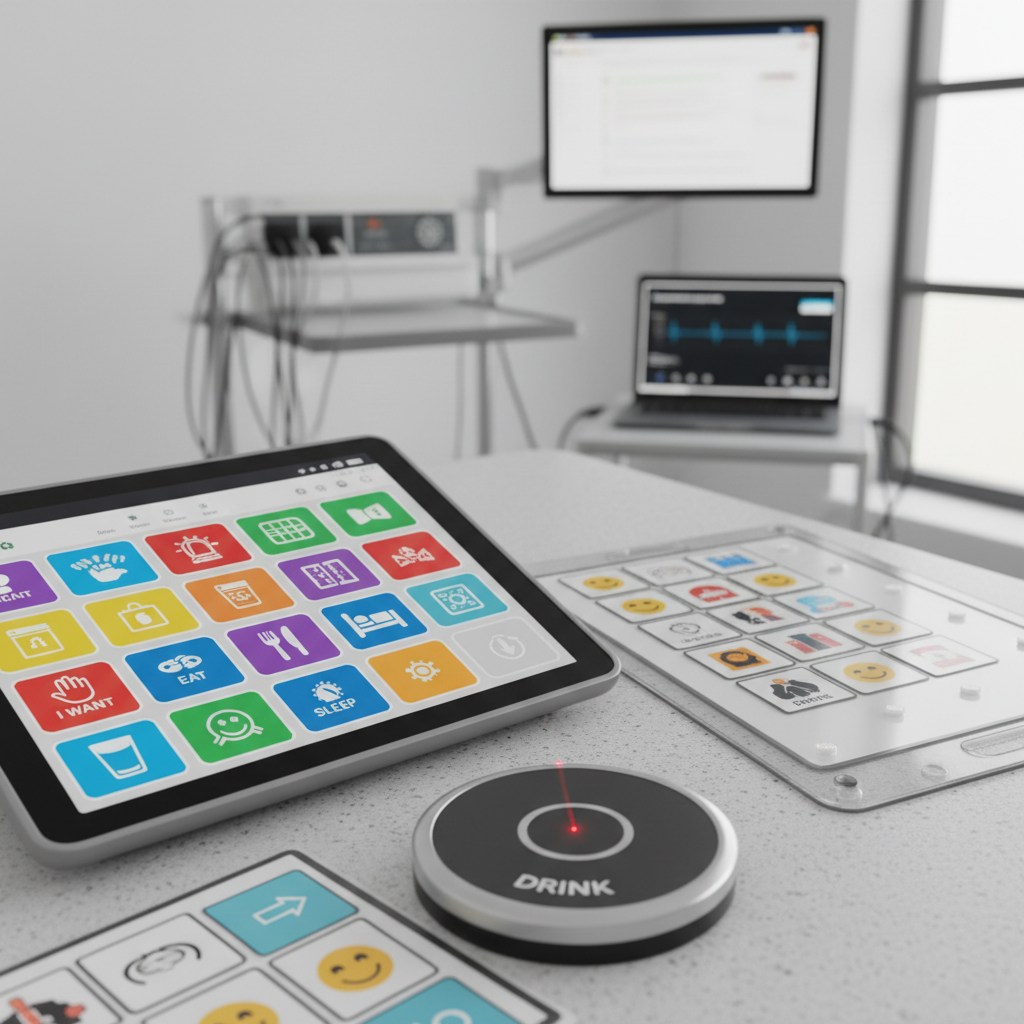
Augmentative and alternative communication (AAC) devices, such as speech-generating devices and text-to-speech apps, are helping bridge the communication gap. These tools provide users with the ability to convey thoughts and needs effectively, fostering better interaction and social inclusion.
The integration of artificial intelligence into these devices is further enhancing their capabilities, allowing for more natural and intuitive communication experiences.
Conclusion: The Future of Disability Support
The technological advancements in disability support are creating a more inclusive world, where individuals with disabilities can lead fuller, more independent lives. As technology continues to advance, it promises even greater improvements in care delivery and quality of life.
By embracing these innovations, caregivers and individuals can access a wide range of tools designed to meet their unique needs. The future of disability support looks brighter than ever, with technology paving the way for a more accessible and empowering experience.