Latest Trends in Disability Support Services: What to Expect


Embracing Technology in Disability Support
The integration of technology in disability support services is transforming the landscape, offering innovative solutions that enhance accessibility and independence. From wearable devices to smart home systems, technological advancements are making it easier for individuals with disabilities to navigate their environments. These tools are not only improving quality of life but also empowering individuals to live more autonomously.
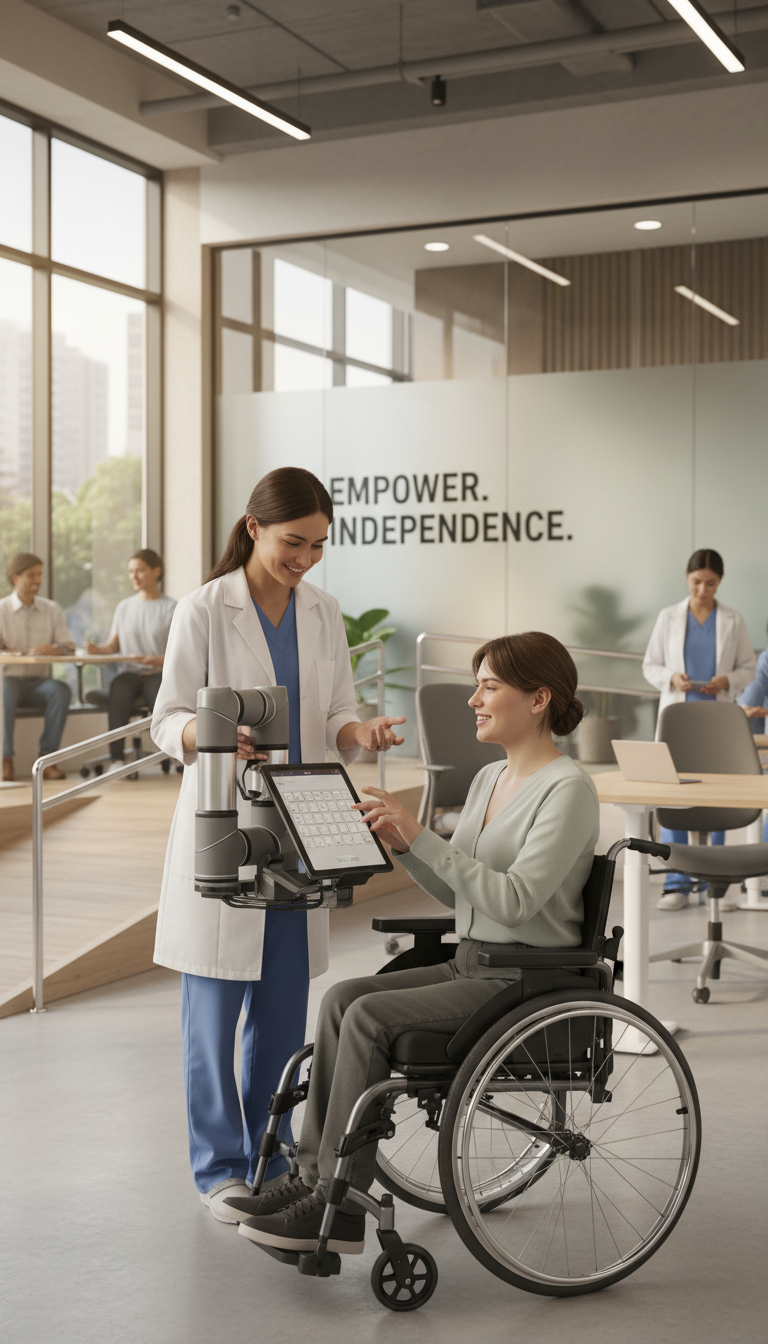
One significant trend is the use of artificial intelligence (AI) to create personalized support systems. AI-driven applications can tailor assistance to individual needs, providing customized experiences that address specific challenges. This level of personalization is revolutionizing how support services are delivered.
Focus on Mental Health
There is a growing recognition of the importance of mental health in disability support. Service providers are increasingly incorporating mental health services into their offerings, ensuring a holistic approach to care. This trend acknowledges the interconnectedness of physical and mental well-being, promoting comprehensive support systems.
Therapeutic programs, counseling, and support groups are now more widely available, making mental health resources more accessible to those in need. This shift reflects a broader understanding of disability that goes beyond physical limitations.

Community-Based Support Models
Community-based support models are gaining traction as they offer a more inclusive and integrated approach. These models emphasize the role of community in supporting individuals with disabilities, fostering environments where everyone can thrive. By engaging local resources and networks, these models create a sense of belonging and empowerment.
Organizations are increasingly collaborating with community partners to develop programs that reflect the diverse needs of individuals. This collaboration ensures that support services are not only effective but also culturally sensitive and relevant.

Accessibility and Universal Design
The push for accessibility and universal design is stronger than ever. Universal design principles aim to create environments and products that are accessible to everyone, regardless of ability. This approach benefits not only individuals with disabilities but also the broader community.
From public spaces to digital platforms, there is a growing movement to ensure that accessibility is a fundamental consideration in design processes. This trend is driving positive changes across various sectors, from architecture to digital technology.
Person-Centered Planning
Person-centered planning is at the heart of modern disability support services. This approach focuses on the individual's unique goals, preferences, and needs, ensuring that support is tailored and relevant. By prioritizing the individual's voice, person-centered planning empowers people to take control of their own lives and make informed decisions about their care.
Service providers are increasingly adopting this model, recognizing its effectiveness in delivering meaningful outcomes. This shift towards personalization is a significant step forward in creating responsive and respectful support systems.