
Seasonal Tips for Disability Support: Preparing for Changes in Weather


Adapting to Seasonal Changes
As the seasons change, individuals who rely on disability support services must adapt their routines and care plans accordingly. The shift in weather can bring about unique challenges, but with the right preparations, these transitions can be made smoothly. Whether it's the chilling winds of winter or the blazing sun of summer, being proactive is key to ensuring comfort and safety.
One of the first steps in preparing for seasonal changes is to assess your current support needs. This includes reviewing any mobility aids, transportation services, or personal care routines. It's essential to ensure that all equipment is functioning properly and is suitable for the upcoming weather conditions.
Winter Weather Precautions
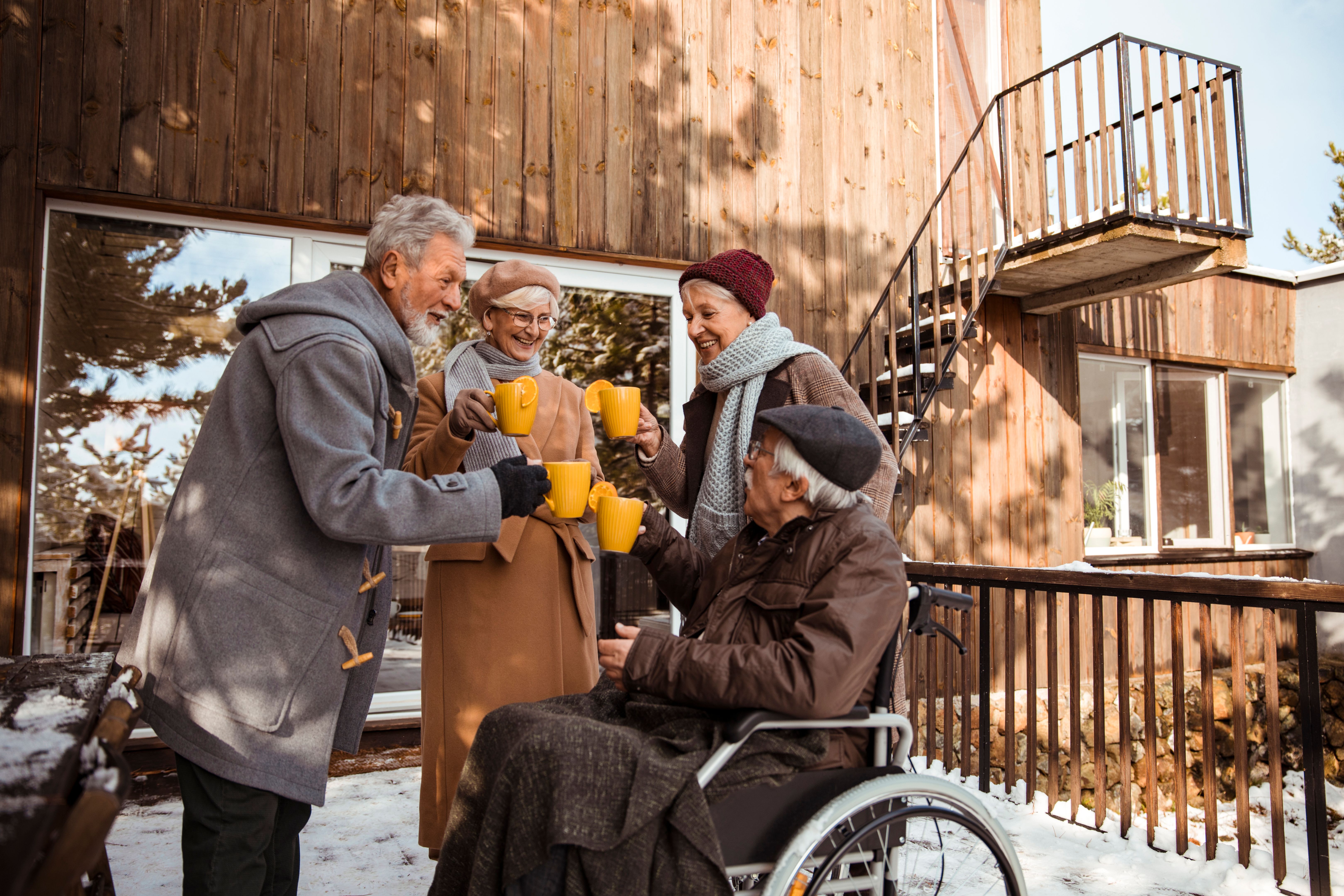
Winter can be particularly challenging for those with mobility issues. Slippery sidewalks and cold temperatures require extra caution. Here are some tips to navigate the winter months:
- Layer Up: Dressing in layers helps maintain body heat. Choose clothing that is both warm and easy to put on and remove.
- Home Safety: Ensure that your home is well-insulated. Check windows and doors for drafts and consider using space heaters in frequently used areas.
- Plan Ahead: Schedule any necessary outdoor activities during the warmest part of the day to minimize exposure to cold.

Spring and Fall Adjustments
Transitioning between extreme temperatures can be tricky, as spring and fall often bring unpredictable weather. It's important to remain flexible and adjust your plans as needed. During these times, focus on:
- Monitoring Weather Reports: Stay informed about the weather to prepare for sudden changes.
- Allergy Management: Spring can trigger allergies. Consult with a healthcare provider to manage symptoms effectively.
- Outdoor Accessibility: Check that pathways and ramps are clear of debris and leaves to maintain safe access.
Summer Safety Measures
Summer heat poses a different set of challenges. For those with disabilities, heat exhaustion and dehydration can be serious concerns. Here are some strategies to stay safe:
- Hydration: Drink plenty of water throughout the day. Keeping a water bottle accessible can help maintain hydration levels.
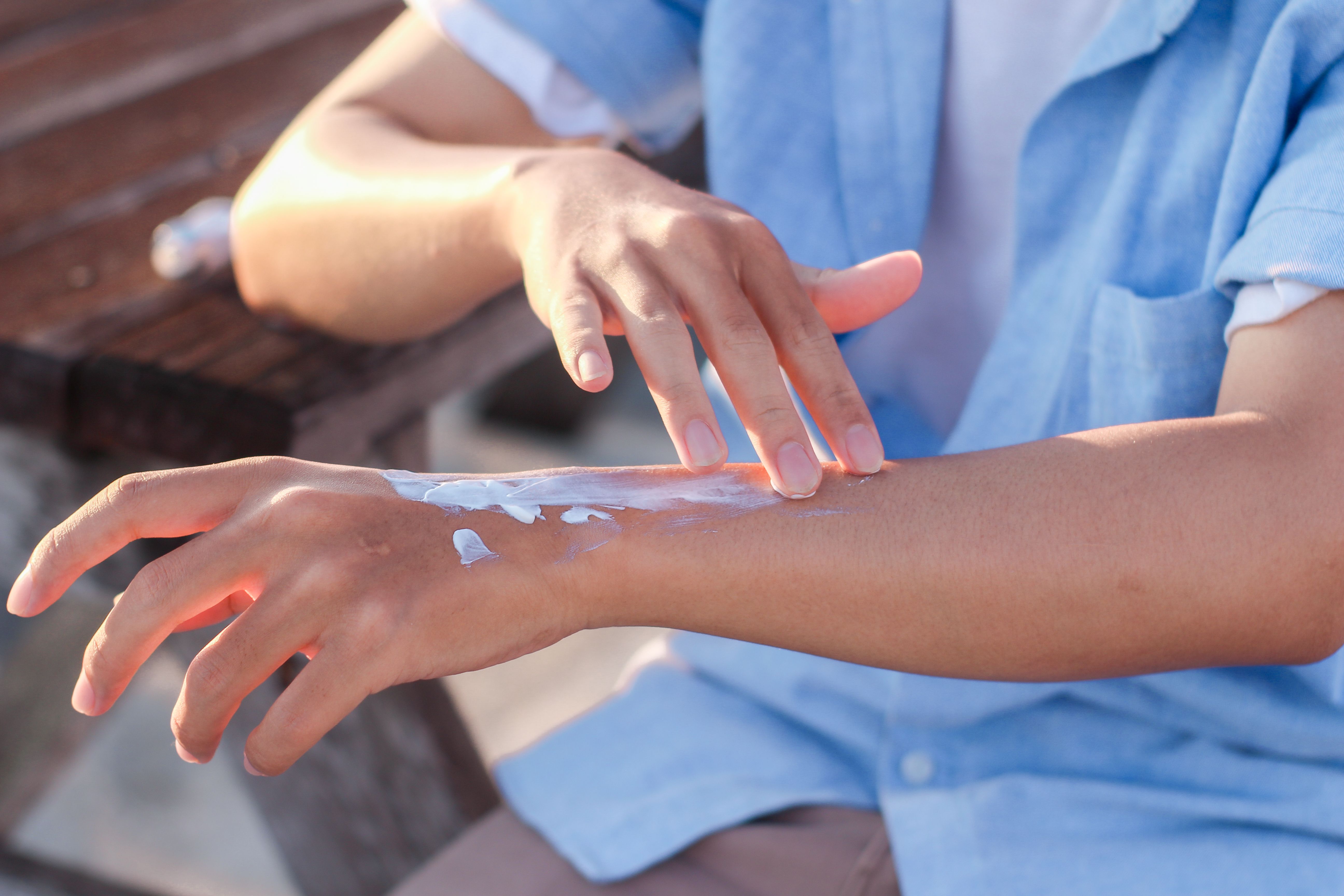
- Sun Protection: Use sunscreen, wear hats, and seek shade whenever possible to protect against harmful UV rays.
- Cooling Solutions: Utilize fans or air conditioning to keep indoor spaces cool. Portable cooling devices can also be helpful.
Communicating with Support Networks
Regardless of the season, maintaining open communication with caregivers and support networks is crucial. Share your specific needs and any adjustments to your routine with those who assist you. This ensures everyone is on the same page and can provide the best possible support.
By planning ahead and being mindful of the challenges each season brings, individuals with disabilities can enjoy greater comfort and security year-round. Remember, the key to a smooth transition is preparation and adaptability.